Obsah
- 1 Does Spanish Port Wine Exist? (The Direct Answer)
- 2 Port vs Sherry: Key Differences in Iberian Fortified Wines
- 3 Top Spanish Fortified Wine Alternatives for Port Lovers
- 4 How Solera System Aging Distinguishes Spanish Fortified Wine
- 5 Pairing Sweet Spanish Fortified Wine with Winter Holiday Desserts
- 6 Frequently Asked Questions About Spanish Port Wine
Quick Answer Does Spanish Port Wine Exist?
Spanish port wine does not exist. Port wine is a legally protected designation, strictly produced in Portugal’s Douro Valley. However, Spain produces world-class sweet Spanish wine and other fortified wines (such as Pedro Ximénez and Cream Sherry) that deliver the exact rich, decadent flavor profile dessert wine lovers desire.
Does Spanish Port Wine Exist? (The Direct Answer)
Spanish port wine does not exist. Port wine is a legally protected designation, strictly produced in Portugal’s Douro Valley. However, Spain produces world-class sweet Spanish wine and other fortified wines that deliver the exact rich, decadent flavors you are looking for.
If you love heavy dessert wines but keep hitting a wall searching for a Spanish version of Port, you are not alone. Many consumers confuse the Iberian origins of these iconic bottles. But before you abandon your search for the ultimate winter dessert pairing, you need to discover the Spanish bottles that rival—and sometimes beat—the sweetest Ports on the market.

Port vs Sherry: Key Differences in Iberian Fortified Wines
When comparing Port vs Sherry, the biggest difference happens during fermentation. Winemakers create traditional Portuguese Port by adding spirits to stop fermentation early. This leaves natural residual sugar, especially when using the bold Touriga Nacional grape from the steep slopes of the Douro Valley.
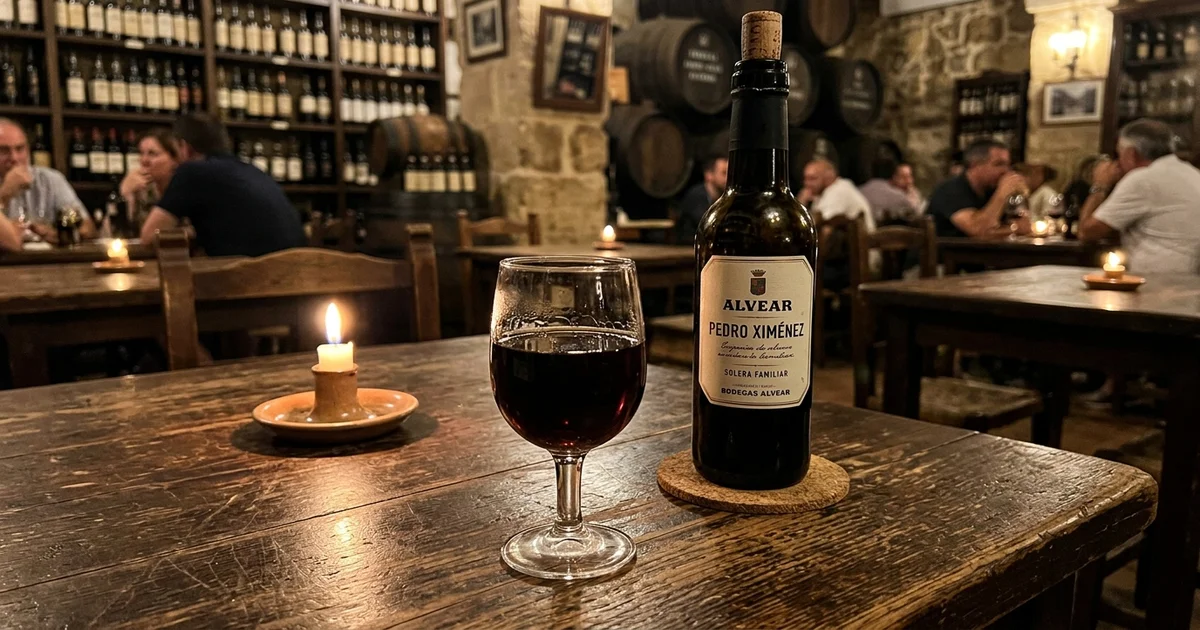
Across the border in Andalucía, producers in Jerez de la Frontera take a completely different approach. They ferment the Palomino grape dry before fortifying it. For their dessert styles, they rely on sun-dried grapes like Pedro Ximénez to build intense, concentrated sweetness from the ground up.
Portuguese Port Wine
- Region of Origin: Douro Valley, Northern Portugal
- Fortification Timing: Added during active fermentation to preserve natural grape sugars.
- Primary Grape Varieties: Touriga Nacional, Touriga Franca, Tinta Roriz.
- Flavor Profile: Lush dark berry, plum, cocoa, and natural sweetness.
Spanish Fortified Wines (Sherry & PX)
- Region of Origin: Jerez de la Frontera & Andalucía, Southern Spain
- Fortification Timing: Added after full fermentation (or from sun-dried sweet grapes).
- Primary Grape Varieties: Palomino, Pedro Ximénez, Moscatel, Monastrell.
- Flavor Profile: Dense dried fig, raisin, roasted espresso, and toasted caramel.
Top Spanish Fortified Wine Alternatives for Port Lovers
If you crave thick, syrupy textures, Pedro Ximénez (PX) is your ultimate Spanish fortified wine. This dark, luscious pour delivers massive notes of fig, molasses, and roasted espresso.
Cream Sherry offers another fantastic route. By blending dry Oloroso with a touch of PX, it strikes a beautiful balance between nutty oxidation and velvety sweetness.
Finally, seek out Fondillón from Alicante. Crafted from overripe Monastrell grapes, this rare sweet Spanish wine matures for a minimum of ten years, presenting a highly complex alternative for dedicated Port enthusiasts.
How Solera System Aging Distinguishes Spanish Fortified Wine
The magic behind these Spanish bottles lies in the Solera system. This continuous fractional blending process mixes older vintages with younger ones over decades. Because of this dynamic aging technique, every bottle contains trace amounts of wine that could be a century old.
This method ensures absolute consistency year after year, setting Spanish fortified wine apart from vintage-dated Portuguese releases. If you want to dive deeper into these production methods, you can learn more about fortified wines.
Pairing Sweet Spanish Fortified Wine with Winter Holiday Desserts
Winter holiday dessert pairings demand intense flavor profiles that can stand up to heavy spices and fats. Pour a viscous Pedro Ximénez directly over vanilla bean ice cream for a spectacular, effortless dessert.
If you are serving dark chocolate tarts, the toasted caramel notes of a sweet Andalucía wine will match the bitter cocoa perfectly.
For savory courses, pair an aged Moscatel with sharp blue cheeses like Roquefort or Cabrales. The sharp, salty bite of the cheese cuts right through the rich sweetness of the wine.
Frequently Asked Questions About Spanish Port Wine
Is there such a thing as Spanish port wine?
No, authentic Port wine is strictly produced in the Douro Valley region of northern Portugal under protected designation rules. Spain does not produce Port wine. However, Spain produces famous fortified wines such as Sherry from Jerez and sweet Pedro Ximénez, which offer similar rich, sweet, and complex flavors for dessert pairings.
What is the Spanish equivalent of Port wine?
The closest Spanish equivalent to Port wine is Pedro Ximénez (PX) Sherry or Cream Sherry from Andalucía. These Spanish fortified wines undergo sun-drying or grape fortification processes, yielding intense notes of fig, raisin, and caramel that closely match the rich sweetness of a traditional Portuguese Port.
What is the main difference between Port and Sherry?
Port is fortified during active fermentation, preserving natural grape sugars to produce a naturally sweet wine in Portugal’s Douro Valley. Sherry is fortified after fermentation finishes in Spain’s Jerez region, producing dry styles like Fino or naturally sweet fortified wines through aging in the Solera system.
Is Sherry sweeter than Port wine?
Sherry ranges from bone-dry (such as Fino and Manzanilla) to intensely sweet (such as Pedro Ximénez). While most Port wine is inherently sweet due to stopped fermentation, specific sweet Spanish Sherries can be significantly denser and sweeter than standard Ruby or Tawny Ports.
What grapes are used in Spanish fortified wines versus Port?
Portuguese Port wine relies primarily on red grape varieties like Touriga Nacional, Touriga Franca, and Tinta Roriz. In contrast, Spanish fortified wines like Sherry rely mainly on white grape varieties, including Palomino for dry styles and Pedro Ximénez or Moscatel for luscious sweet dessert wines.
Where can I find these Spanish alternatives?
Most specialized wine shops and online retailers stock sweet Spanish Sherries right next to their selection of the best port wines.
Upgrade Your Fortified Wine Collection
Discover iconic Portuguese Ports and rich Spanish dessert wine alternatives tailored for your next celebration.
[contact-form-7 id=“1234″ title=“Contact form 1″]
Editorial Team & Quality Assurance
Written and reviewed by the mpwwine Editorial Team. We combine deep sommelier research and analytical tools to bring accurate, expert-backed wine guides and pairing recommendations. Transparent AI-assisted synthesis with human expert oversight.
Get our latest guides, news, and insights highlighted in your Google Search & AI Overviews.