When it comes to effervescent elixirs, Champagne reigns supreme. But within the realm of Champagne, there is a particular classification that stands above the rest: Grand Cru. Picture perfectly manicured vineyards, meticulous winemaking traditions, and unrivaled flavors that tantalize the palate. Grand Cru Champagne is the epitome of excellence, a pinnacle of quality that leaves both connoisseurs and newcomers spellbound. In this article, we unravel the secrets behind this prestigious designation, shedding light on what sets Grand Cru Champagne apart and why it deserves its well-earned reputation. Prepare to delve into a world of exquisite bubbles and discover the true meaning of premium Champagne.
Obsah
- 1 What Defines Grand Cru Champagne?
- 2 The Process of Producing Grand Cru Champagne
- 3 Understanding the Grapes Used in Grand Cru Champagne
- 4 Factors That Influence the Quality of Grand Cru Champagne
- 5 Common Features of Premium Grand Cru Champagne bottles
- 6 Exploring the Best Grand Cru Champagne Brands
- 7 Selecting the Perfect Grand Cru Champagne for Every Occasion
- 8 What Exactly is Grand Cru Champagne?
- 9 The History Behind the Échelle des Crus System
- 10 Exploring the 17 Grand Cru Villages
- 11 Grand Cru vs. Premier Cru: What’s the Difference?
- 12 How Terroir Shapes the Taste of Grand Cru
- 13 Top Grand Cru (and Grandgru) Champagnes to Try
- 14 Frequently Asked Questions
- 15 In Summary
What Defines Grand Cru Champagne?
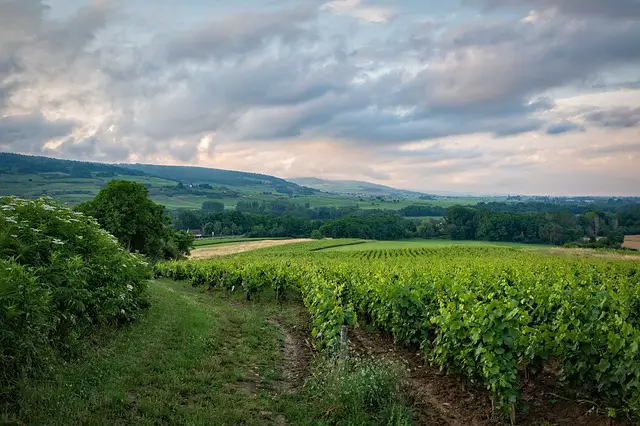
When it comes to champagne, the term „Grand Cru“ holds a special significance. This prestigious designation is reserved for only the finest vineyards in the Champagne region of France, where the grapes used to make this sparkling wine are grown. So, what sets Grand Cru Champagne apart from the rest? Well, it all starts with the terroir, a combination of soil, climate, and geography unique to each vineyard that ultimately influences the wine’s character and quality.
Grand Cru Champagne is characterized by exceptional quality and finesse, thanks to a few key factors. Firstly, these vineyards possess a meticulous selection process for their grapes, ensuring only the best fruit is used. Additionally, the grapes are often harvested by hand, allowing for careful selection and gentle handling. Secondly, Grand Cru Champagnes are typically made from a blend of two or more grape varieties, namely Chardonnay, Pinot Noir, and Pinot Meunier. This combination adds complexity and depth to the wine, creating a harmonious balance of flavors. Lastly, the aging process is crucial in defining Grand Cru Champagne. These wines are often aged for longer periods than non-Grand Cru Champagnes, allowing them to develop more refined and complex characteristics, such as delicate floral notes, creamy textures, and lingering finishes.
The Process of Producing Grand Cru Champagne
Producing Grand Cru Champagne is a meticulous process that requires expert knowledge, skill, and patience. Every step of the way, from the vineyards to the bottle, is carefully managed to ensure the highest quality and the distinctive taste that only Grand Cru Champagne can deliver.
It all begins with the selection of the finest grapes, grown in the Champagne region of France. These grapes, primarily Chardonnay, Pinot Noir, and Pinot Meunier, are meticulously cultivated and hand-picked at their peak of ripeness. The grapes are then gently pressed to extract the juice, which is the foundation of the Champagne.
- Fermentation: The extracted juice undergoes primary fermentation, where yeast is added to convert the sugar into alcohol. This process occurs in stainless steel tanks or oak barrels.
- Blending: After fermentation, the winemakers carefully blend different grape varieties and vintages to create the desired flavor profile and complexity.
- Second Fermentation: The base wine is then bottled with a mixture of yeast and sugar, triggering a second fermentation. Carbon dioxide is produced during this stage, creating the characteristic bubbles found in Champagne.
- Aging: The bottles are stored horizontally, allowing the yeast to settle and interact with the wine. This process, known as aging on the lees, adds depth and complexity to the Champagne.
Once the aging period is complete, the bottles go through a process called riddling, where they are gradually turned and tilted to move the sediment towards the neck. The necks of the bottles are frozen, and the frozen plug of sediment is expelled through a process called disgorgement. The bottles are then topped up with a mixture of wine and sugar, known as dosage, to achieve the desired sweetness level.
Finally, the bottles are sealed with cork and wire cages, ready to be enjoyed. From the careful selection of grapes to the painstaking techniques employed during fermentation, blending, and aging, is a labor of love and dedication. Each sip of this prestigious sparkling wine is a testament to the craftsmanship and artistry of the winemakers, leaving you with a memorable taste experience like no other.

Understanding the Grapes Used in Grand Cru Champagne
Grape Varieties used in Grand Cru Champagne
When it comes to crafting the exquisite wine that is Grand Cru Champagne, the choice of grape varieties plays a crucial role in defining its unique character and exceptional quality. While there are seven grape varieties permitted in the Champagne region, only three take center stage in the production of this prestigious bubbly. These three grape varieties are:
- Chardonnay: Known for its elegance and finesse, Chardonnay grapes are responsible for the freshness, acidity, and delicate floral aromas found in Grand Cru Champagnes.
- Pinot Noir: Renowned for its power and structure, Pinot Noir adds body, depth, and red fruit flavors to the blend, lending a rich and robust character to the final product.
- Pinot Meunier: Often underappreciated, Pinot Meunier imparts roundness, fruitiness, and a touch of spice to Grand Cru Champagnes, contributing to a harmonious balance between the other grape varieties.
Only the very best grapes from the highest-rated vineyards are used in the production of Grand Cru Champagne. These premium vineyards, classified as „Grand Cru“ in the Champagne region’s classification system, guarantee top-notch quality. The meticulous selection of the grapes, combined with the expertise of the winemakers, makes Grand Cru Champagne an exceptional and highly sought-after sparkling wine, beloved by wine connoisseurs worldwide.
Factors That Influence the Quality of Grand Cru Champagne
Creating a bottle of exceptional Grand Cru Champagne is an art that requires a delicate balance of various factors. These factors play a crucial role in determining the quality and character of the final product. Let’s dive into the key elements that influence the excellence of this illustrious beverage:
- Terroir: The vineyards where the grapes are cultivated greatly impact the quality of Grand Cru Champagne. The unique combination of soil, climate, and elevation contribute to the distinct characteristics found in each bottle. The chalky soils of the Champagne region, coupled with a cool climate, create the perfect terroir for producing grapes with exceptional acidity and vibrant flavors.
- Grape Varieties: Champagne is primarily crafted from three grape varieties: Chardonnay, Pinot Noir, and Pinot Meunier. The artful blending of these grapes allows winemakers to create a harmonious balance of flavors. Each variety brings its own unique characteristics, with Chardonnay providing elegance, Pinot Noir lending structure, and Pinot Meunier adding fruity notes.
- Winemaking Skill: The expertise and attention to detail of the winemakers are paramount in creating top-quality Grand Cru Champagne. From carefully handpicking the grapes to gentle pressing and meticulous blending, every step of the winemaking process requires skill and precision. Ageing the wine in the cellar for an extended period on yeast, known as the méthode traditionnelle, further enhances its complexity and finesse.
The quality of Grand Cru Champagne is a result of a symphony orchestrated by both natural elements and human ingenuity. The interplay of terroir, grape varieties, and winemaking artistry is what sets Grand Cru Champagne apart, making it a treasure eagerly sought after by wine enthusiasts and connoisseurs worldwide.

Common Features of Premium Grand Cru Champagne bottles
When it comes to premium Grand Cru Champagne, there are several common features that set these bottles apart from the rest. These exceptional champagnes are known for their superior quality, craftsmanship, and distinct characteristics that truly define luxury:
- Vineyard Excellence: Premium Grand Cru Champagne is made exclusively from grapes grown in the highest-rated vineyards. These vineyards have a Grand Cru rating, indicating the exceptional quality and uniqueness of the grapes.
- Extended Aging: Unlike regular champagnes, premium Grand Cru Champagne undergoes an extended aging process. This allows the flavors and aromas to fully develop, resulting in a more complex and refined tasting experience.
- Handcrafted Production: Each bottle of premium Grand Cru Champagne is meticulously crafted with great attention to detail. From the careful handpicking of the grapes to the traditional Champagne production methods, every step is carried out with precision and expertise.
Furthermore, premium Grand Cru Champagne often showcases the following additional features:
- Exceptional Terroir: These champagnes express the unique characteristics of the region’s terroir, including the soil composition, microclimate, and vineyard location. This adds depth and complexity to the final product.
- Prolonged Bottle Aging: Many premium Grand Cru Champagne bottles are aged for several years in the bottle before they are released, allowing the Champagne to develop further and gain finesse.
- Limited Production: Due to the exclusive nature of the vineyards and the meticulous craftsmanship involved, premium Grand Cru Champagne is produced in limited quantities. This adds to its desirability and collectability.
Exploring the Best Grand Cru Champagne Brands
When it comes to indulging in the finer things in life, few things compare to sipping on a glass of exquisite champagne. And what better way to elevate your celebratory moments than with a bottle from one of the best Grand Cru Champagne brands? These revered brands have perfected the art of champagne making, delivering an unparalleled taste and luxury experience.
One such brand that deserves recognition is Dom Pérignon. Renowned for its exceptional quality and storied history, Dom Pérignon has become synonymous with elegance and refinement. Its range showcases a harmonious blend of flavors, from the delicate floral notes to the rich and complex palate. Another brand that holds a prominent place in the world of Grand Cru Champagne is Krug. With over 170 years of tradition, Krug is celebrated for its dedication to crafting champagne of distinct character and intensity. Each bottle reflects the meticulous attention to detail and artistry of their cellar masters, resulting in an extraordinary sensory journey.
Selecting the Perfect Grand Cru Champagne for Every Occasion
When it comes to celebrating special moments, nothing exudes elegance and sophistication quite like a bottle of Grand Cru Champagne. With its exceptional quality and exquisite taste, choosing the right Champagne to suit every occasion can elevate your celebrations to new heights. Here are a few tips to help you navigate through the vast array of options and select the perfect Grand Cru Champagne for any event:
- Determine the occasion: Consider the nature of the event you’re celebrating. Is it a wedding, anniversary, or a simple gathering of close friends? The style of Champagne should match the mood and significance of the occasion.
- Know the grape varieties: Grand Cru Champagne is typically crafted using Chardonnay, Pinot Noir, and Pinot Meunier grapes. Understanding the characteristics of each grape variety can help you choose Champagne with the desired flavor profile.
- Consider sweetness levels: Champagne can range from ultra-dry (brut nature) to sweet (doux). Opt for brut or extra brut if you prefer a drier taste, or demi-sec if you appreciate a touch of sweetness. The choice largely depends on personal preference and the accompanying food.
Continuing your journey in the world of Grand Cru Champagne, you’ll encounter various renowned Champagne houses and grower-producers. Famed houses like Dom Pérignon, Krug, and Pol Roger offer consistently exceptional Champagnes suitable for memorable occasions. Simultaneously, smaller grower-producers, such as Pierre Peters and Vilmart & Cie, often provide unique expressions of terroir, showcasing the regional diversity of Champagne. Ultimately, the perfect Grand Cru Champagne is one that reflects your taste, pairs harmoniously with the occasion, and leaves a lasting impression on your palate and memories.
What Exactly is Grand Cru Champagne?
In the world of fine sparkling wines, grand cru champagne represents the pinnacle of quality and prestige. The French term „Grand Cru“—often searched by enthusiasts as grandgru—translates directly to „great growth.“ In the Champagne region, this designation is awarded not to individual vineyards or châteaux, but to entire villages recognized for producing grapes of exceptional caliber.
To qualify as grand cru champagne, every single grape used in the bottle must originate strictly from vineyards located within one of the officially designated Grand Cru villages. From crisp, mineral-driven Blanc de Blancs to rich, structured Blanc de Noirs, a true grand cru embodies the finest expression of Champagne winemaking.
The History Behind the Échelle des Crus System
To understand the origins of grand cru champagne, one must look at the historical Échelle des Crus (literally, „Ladder of Growths“). Established in the early 20th century (1911), this classification system was created to establish a fair pricing mechanism for grapes harvested across the Champagne region.
Under the Échelle des Crus system, each village was assigned a percentage score between 80% and 100% based on the historical quality and reputation of its grapes:
- Grand Cru (100%): Villages receiving the maximum 100% rating earned Grand Cru status and were paid 100% of the top grape price fixed annually by the Comité Interprofessionnel du Vin de Champagne (CIVC).
- Premier Cru (90%–99%): Villages rated between 90% and 99% received Premier Cru status, commanding 90% to 99% of the maximum price.
- Autre Cru (80%–89%): Remaining villages rated between 80% and 89% received a corresponding percentage of the base price.
Although European Union trade regulations officially abolished this price-fixing mechanism in 2002, allowing free-market negotiations between growers and houses, the Échelle des Crus hierarchy remains as an enduring mark of quality. Today, seeing grand cru or grandgru on a Champagne label remains a primary indicator of historical vineyard excellence.
Exploring the 17 Grand Cru Villages
Out of more than 300 wine-producing villages in Champagne, only 17 hold the prestigious 100% Grand Cru rating. These 17 villages cover approximately 9% of the region’s total vineyard area and are spread across three primary sub-regions, each renowned for specific grape varieties and flavor profiles:
1. Montagne de Reims (9 Villages – Famous for Pinot Noir)
Located on rolling chalk hills south of Reims, the Montagne de Reims sub-region produces robust, structured Pinot Noir with impressive aging potential:
- Ambonnay: Revered for powerful, rich Pinot Noir and legendary Blanc de Noirs.
- Beaumont-sur-Vesle: Produces elegant, structured red grapes for blending.
- Bouzy: Famous for intensely fragrant, full-bodied Pinot Noir and still red wines (Coteaux Champenois).
- Louvois: Offers deep, complex Pinot Noir with excellent acidity.
- Mailly-Champagne: Known for refined Pinot Noir grown on north-facing slopes.
- Puisieulx: A tiny village producing rare, high-acid Pinot Noir grapes.
- Sillery: Historically one of the most famous wine villages in Champagne.
- Verzenay: Delivers striking, mineral-driven Pinot Noir from north-facing amphitheater slopes.
- Verzy: Famed for vibrant Pinot Noir with signature chalky minerality.
2. Côte des Blancs (6 Villages – Famous for Chardonnay)
Stretching south from Épernay, the Côte des Blancs features pure limestone and chalk soils ideal for pure, mineral-focused Chardonnay (Blanc de Blancs):
- Avize: Renowned for delicate, aromatic, and intensely mineral Blanc de Blancs.
- Chouilly: Known for creamy, open, and supple Chardonnay styles.
- Cramant: Famous for velvety, ultra-refined grand cru champagne with subtle chalkiness.
- Le Mesnil-sur-Oger: Home to some of the world’s most collectible, long-lived Champagnes (e.g., Clos du Mesnil).
- Oger: Delivers rich, ripe citrus and stone fruit profiles combined with crisp acidity.
- Oiry: A smaller village producing crisp, high-strung Chardonnay grapes.
3. Vallée de la Marne (2 Villages – Exceptional Microclimates)
Situated along the Marne River valley, these villages possess unique microclimates ideal for both Pinot Noir and Chardonnay:
- Aÿ: Located near Épernay, Aÿ produces some of the most celebrated, luxurious Pinot Noir in the region.
- Tours-sur-Marne: Designated Grand Cru strictly for its red grape varieties (Pinot Noir).
Grand Cru vs. Premier Cru: What’s the Difference?
When selecting fine bubbly, wine buyers often wonder about the distinctions between Grand Cru, Premier Cru, and standard Champagne classifications. The table below provides a quick comparative breakdown:
| Classification | Échelle des Crus Score | Number of Villages | Primary Terroir & Style |
|---|---|---|---|
| Grand Cru | 100% | 17 villages | Top-tier steep chalk slopes; exceptional depth, minerality, and longevity. |
| Premier Cru | 90% – 99% | 42 villages | Excellent hillside terroirs; outstanding quality and complex profiles. |
| Autre Cru | 80% – 89% | 250+ villages | Standard valley and plain vineyards; fresh, accessible sparkling wines. |
While grand cru champagne carries the highest historical designation, it is worth noting that a Champagne’s final quality depends significantly on the winemaker’s skill, blending decisions, and vineyard management. Many top-tier Premier Cru bottlings outperform basic Grand Crus when crafted by master winemakers.
How Terroir Shapes the Taste of Grand Cru
The defining secret behind every magnificent bottle of grand cru champagne is its unique Terroir—the interplay of soil composition, drainage, hillside slope, and microclimate.
The 17 Grand Cru sites are situated on hillside slopes with optimal sun exposure, promoting ideal grape ripening in Champagne’s cool northern climate. More importantly, the sub-soil consists of thick layers of ancient Belemnite chalk and limestone:
- Moisture Regulation: Chalk acts like a natural sponge, absorbing excess rainfall during wet seasons and gradually releasing moisture during dry summer months.
- Heat Retention: The white chalk reflects sunlight and absorbs ambient heat during daytime, warming the vine roots throughout cool nights.
- Mineral Complexity: Roots burrow tens of meters deep through chalk and limestone strata, imparting the signature salinity, chalky texture, and vibrant acidity that define premium grand cru cuvées.
Top Grand Cru (and Grandgru) Champagnes to Try
If you wish to experience the extraordinary elegance of grand cru champagne firsthand, searching for high-rated grandgru bottles from legendary Champagne houses and single-village growers is a great start. Here are several standout recommendations:
- Salon Le Mesnil Blanc de Blancs: Crafted exclusively from 100% Grand Cru Chardonnay in Le Mesnil-sur-Oger, offering incomparable purity and aging capacity.
- Egly-Ouriet Grand Cru Brut Tradition: Sourced from the prized Pinot Noir vineyards of Ambonnay, delivering rich, vinous, and powerful dark fruit character.
- Mailly Grand Cru Blanc de Noirs: Produced entirely within the Grand Cru village of Mailly-Champagne on the Montagne de Reims.
- Jacques Selosse Initial Grand Cru: An artisan grower-producer masterpiece blended from Avize, Cramant, and Oger in the Côte des Blancs.
Frequently Asked Questions
What does ‚grand cru‘ mean in Champagne?
It is the highest classification for villages in the Champagne region, indicating exceptional terroir and grape quality.
How many Grand Cru villages are there in Champagne?
There are exactly 17 villages designated as Grand Cru out of over 300 in the entire Champagne region.
Is Grand Cru always better than Premier Cru?
While Grand Cru indicates the highest historical classification for vineyards, many exceptional and highly sought-after Champagnes are also produced from Premier Cru villages, depending heavily on the winemaker’s skill.
In Summary
In conclusion, Grand Cru Champagne represents the epitome of premium quality. With its strict regulations and exceptional vineyard locations, it offers a unique and unparalleled experience for Champagne enthusiasts looking to indulge in the finest bubbles.
Get our latest guides, news, and insights highlighted in your Google Search & AI Overviews.